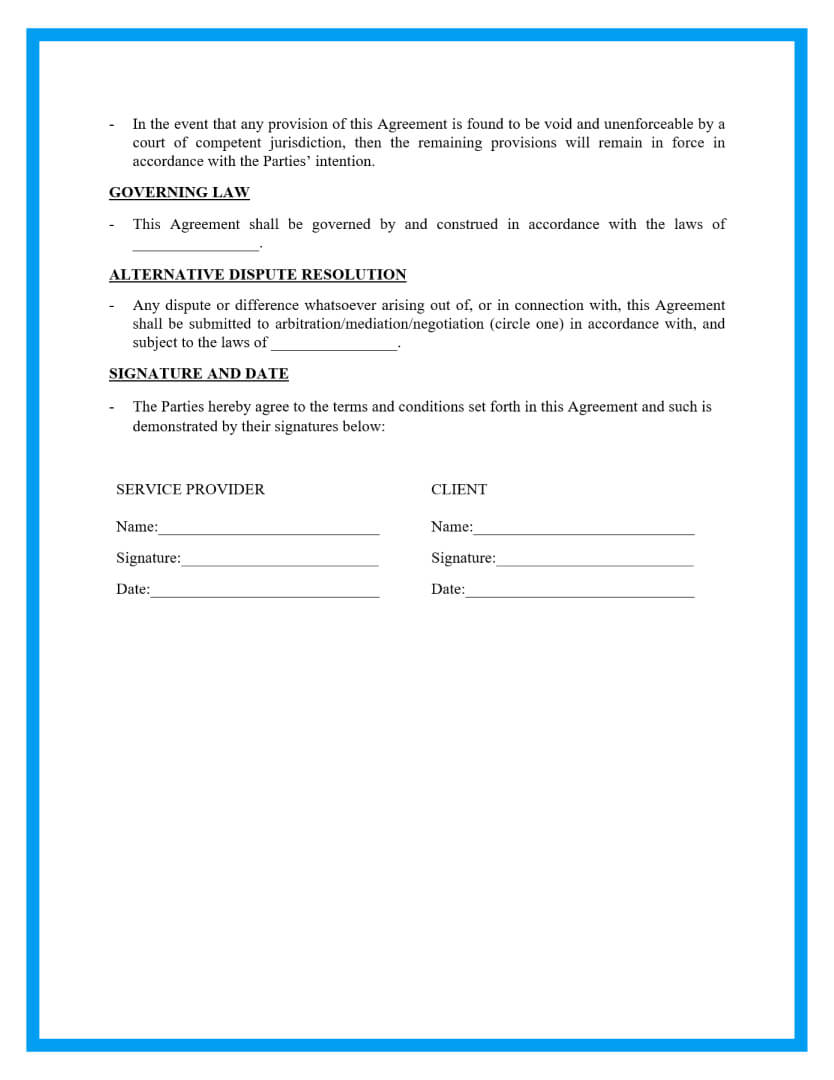
Creating a robust and legally sound Client Service Agreement (CSA) is paramount for any business relationship with clients. A well-drafted CSA protects both your organization and your clients, clearly outlining expectations, responsibilities, and potential liabilities. This article provides a comprehensive overview of what to include in a CSA, along with best practices for its creation and implementation. Understanding the nuances of a CSA is crucial for minimizing disputes and fostering long-term, mutually beneficial partnerships. The core of a successful CSA is its clarity and enforceability – ensuring both parties understand their rights and obligations. This guide will walk you through the essential components and considerations involved in developing a CSA tailored to your specific needs.
What is a Client Service Agreement (CSA)?
A Client Service Agreement (CSA) is a legally binding contract between a service provider and a client. It's a formal document that details the scope of services, payment terms, confidentiality obligations, intellectual property rights, and other relevant aspects of the relationship. It's not just a simple invoice; it's a comprehensive agreement designed to protect both sides. Think of it as a roadmap for the relationship, establishing a clear framework for how work will be performed and how disputes will be resolved. A CSA is particularly important for businesses that provide ongoing services, such as marketing, consulting, or software development. It's a vital tool for managing expectations and ensuring accountability.

Key Components of a Client Service Agreement
A comprehensive CSA typically includes the following key elements:
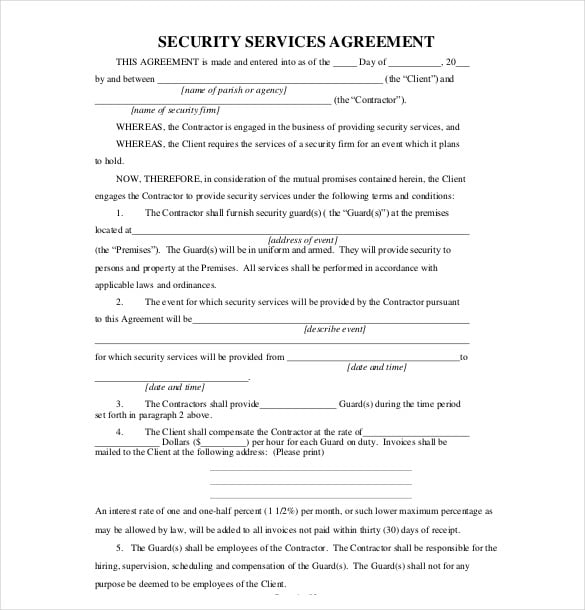
- Scope of Services: This section precisely defines the services the client will receive. Be specific – avoid vague language. Clearly outline what tasks, deliverables, and outcomes are included.
- Payment Terms: Specify the payment schedule, accepted payment methods, late payment fees, and any milestones required for payment. Consider offering options for installment payments.
- Term and Termination: Outline the duration of the agreement and the conditions under which either party can terminate the contract. Include provisions for notice periods and potential termination fees.
- Confidentiality: Protect sensitive information shared between the parties. This section should detail what constitutes confidential information, how it will be protected, and the obligations of both parties to maintain confidentiality.
- Intellectual Property: Clarify ownership of intellectual property created during the course of the project. This is particularly important for creative work, software development, and marketing campaigns.
- Liability and Indemnification: Define the limits of liability for both parties. This section addresses potential claims arising from errors, omissions, or other issues. Indemnification clauses protect one party from losses or damages resulting from the other party's actions.
- Governing Law and Dispute Resolution: Specify which jurisdiction's laws will govern the agreement and how disputes will be resolved (e.g., mediation, arbitration, litigation).
The Importance of a Well-Drafted CSA
Investing time and effort in creating a robust CSA is an investment in the long-term success of your business. A poorly drafted CSA can lead to misunderstandings, disputes, and costly legal battles. A clear and comprehensive CSA demonstrates professionalism, protects your interests, and sets clear expectations for all parties involved. It's a proactive step towards building a strong and reliable client relationship. Furthermore, a CSA can be a valuable tool for tracking project progress and ensuring accountability.

Client Service Agreement Template – A Sample Structure
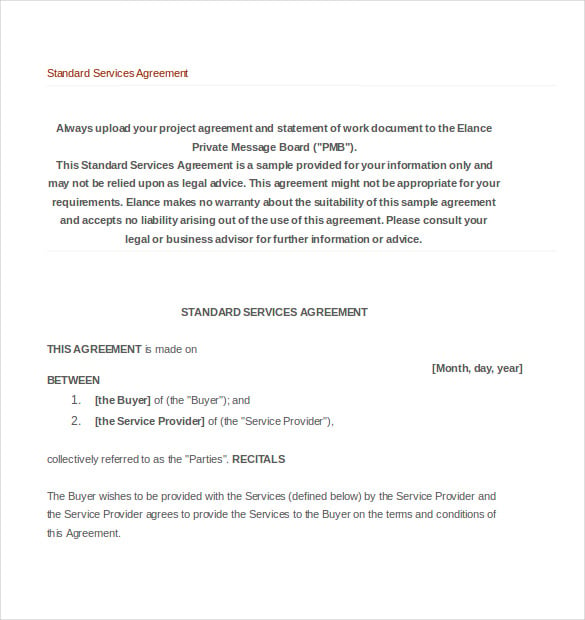
Here's a simplified example of the sections commonly found in a CSA. Remember, this is a template and should be tailored to your specific business needs.

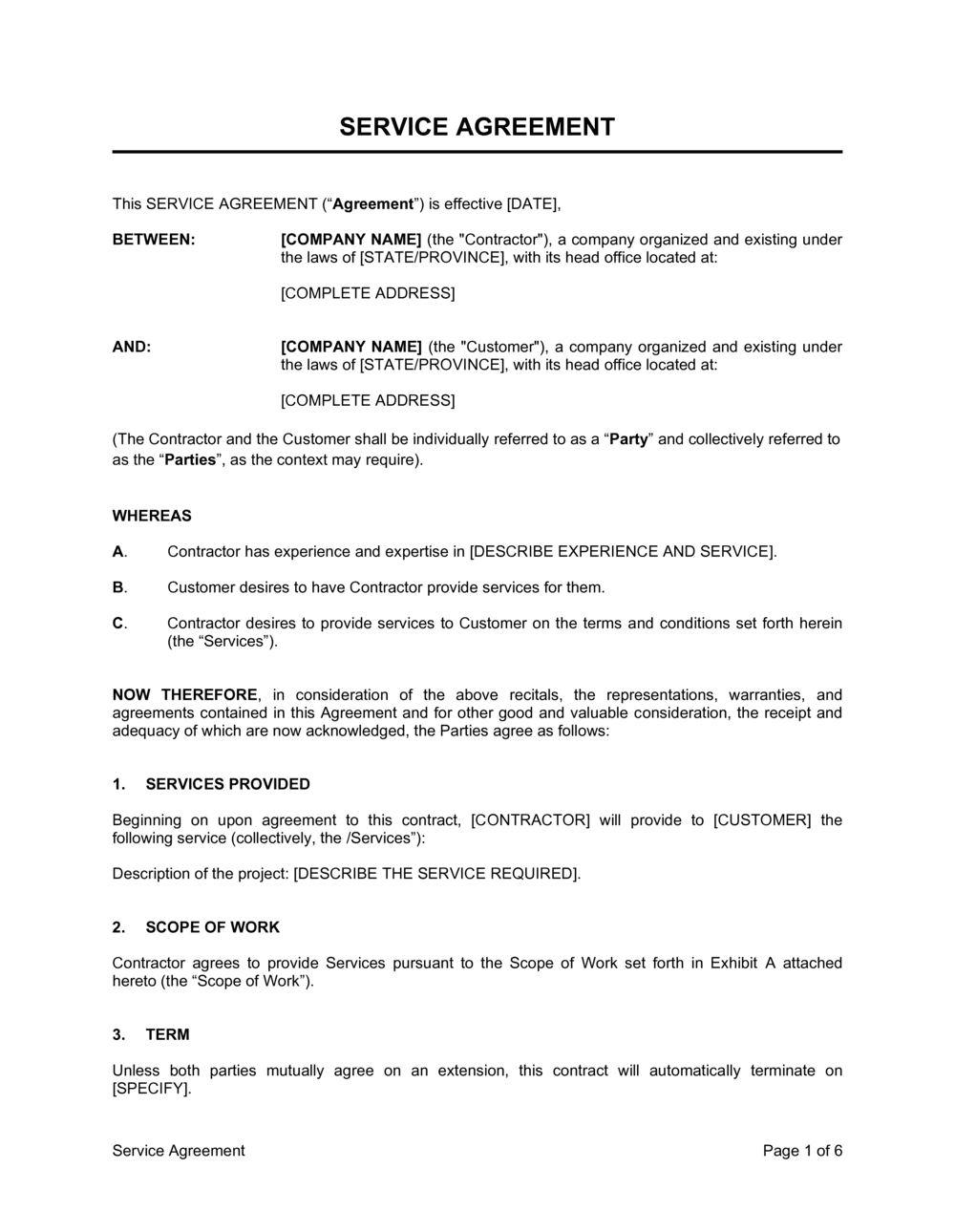
1. Parties Involved:
- Client Name: [Client's Full Legal Name]
- Service Provider Name: [Your Company Name]
- Contact Information: [Address, Phone Number, Email Address]
2. Scope of Services:
- Detailed description of the services to be provided.
- Specific deliverables and outcomes expected.
- Timeline for completion of each service.
3. Payment Terms:
- Payment schedule (e.g., upfront, milestones, monthly)
- Accepted payment methods
- Late payment penalties
- Payment confirmation procedures
4. Confidentiality:
- Definition of confidential information (e.g., client data, trade secrets, business strategies).
- Obligations of both parties to protect confidentiality.
- Exceptions to confidentiality (e.g., information required to perform the services).
5. Intellectual Property:
- Ownership of intellectual property created during the project.
- Licensing rights for intellectual property.
- Restrictions on use of intellectual property.
6. Liability and Indemnification:
- Limits of liability for each party.
- Indemnification clauses – protecting one party from losses or damages.
7. Termination:
- Conditions under which either party can terminate the agreement.
- Notice period required for termination.
- Potential termination fees.
8. Governing Law and Dispute Resolution:
- Jurisdiction governing the agreement.
- Method of dispute resolution (e.g., mediation, arbitration, litigation).
Client Service Agreement Template – Advanced Considerations
Beyond the basic components, several advanced considerations are vital for a robust CSA:
- Change Management: Outline the process for handling changes to the scope of services. A clear change management process minimizes disputes and ensures that both parties are aligned on revisions.
- Payment Disputes: Specify the procedures for resolving payment disputes, including mediation or arbitration.
- Data Security: Address data security requirements, particularly if the CSA involves handling sensitive client data.
- Insurance: Consider requiring clients to maintain appropriate insurance coverage.
- Compliance: Ensure the CSA complies with all applicable laws and regulations.
Conclusion
A well-crafted Client Service Agreement is an essential tool for building successful client relationships. By carefully considering the key components outlined in this article and tailoring the agreement to your specific business needs, you can protect your interests, foster trust, and ensure a mutually beneficial partnership. Remember that a CSA is not a one-time document; it should be reviewed and updated periodically to reflect changes in your business and the client relationship. Investing the time and effort to create a comprehensive CSA is an investment in the long-term success of your organization. Don't underestimate the value of a solid CSA – it's a critical component of professional service delivery.
0 Response to "Client Service Agreement Template"
Posting Komentar